Lab-Grown vs Natural Diamonds NZ | Expert Buyer's Guide
Lab-Grown vs Natural Diamonds: What's the Difference and Which Should You Choose?
When it comes to choosing a diamond engagement ring, one of the most common questions we’re asked at Fishers Jewellers is:
“Should I choose a lab-grown diamond or a natural diamond?”
It’s an important question — and one that deserves a clear, balanced explanation.
There is a significant amount of conflicting information available, and much of it is influenced by sales positioning rather than education.
At Fishers Jewellers, our role is to guide you through both options with clarity and accuracy — so you can make a decision that aligns with your values, priorities, and budget.
What Is a Natural Diamond?
Natural diamonds are formed deep within the earth over billions of years under extreme pressure and heat.
They are brought to the surface through volcanic activity and then carefully mined, cut, and polished.
Each natural diamond is a product of geological history — completely unique, and formed long before humans existed.
Because of this, natural diamonds carry:
- A sense of rarity
- A connection to the earth
- Long-standing traditional value
For many people, this story is part of the appeal.

What Is a Lab-Grown Diamond?
Lab-grown diamonds are created using advanced technology that replicates the natural conditions under which diamonds form.
There are two primary methods:
- HPHT (High Pressure High Temperature)
- CVD (Chemical Vapour Deposition)
These processes produce diamonds that are:
- Chemically identical to natural diamonds
- Physically identical
- Optically identical
Even under magnification, distinguishing between lab-grown and natural diamonds requires specialised equipment.

How Are Laboratory-Grown Diamonds Classified?
Laboratory-grown diamonds are classified as diamonds, with the important distinction that they are laboratory-grown rather than natural.
They are graded by recognised gemmological laboratories, commonly:
- IGI (International Gemological Institute)
- GIA (in selected cases)
Each stone is assessed for the same key characteristics used for natural diamonds, including cut, colour, clarity, and carat weight.
For clarity and accuracy, it is important to refer to them as:
👉 Laboratory-grown diamonds
👉 Natural diamonds
This distinction ensures transparency and informed decision-making.

Key Differences Between Laboratory-Grown and Natural Diamonds
Understanding the differences comes down to several important factors.
1. Origin
- Natural diamonds form underground over billions of years
- Laboratory-grown diamonds are produced in controlled environments over weeks
This is the most fundamental distinction.
2. Price
Laboratory-grown diamonds are typically 30–50% lower in price than natural diamonds of comparable size and quality.
This allows clients to:
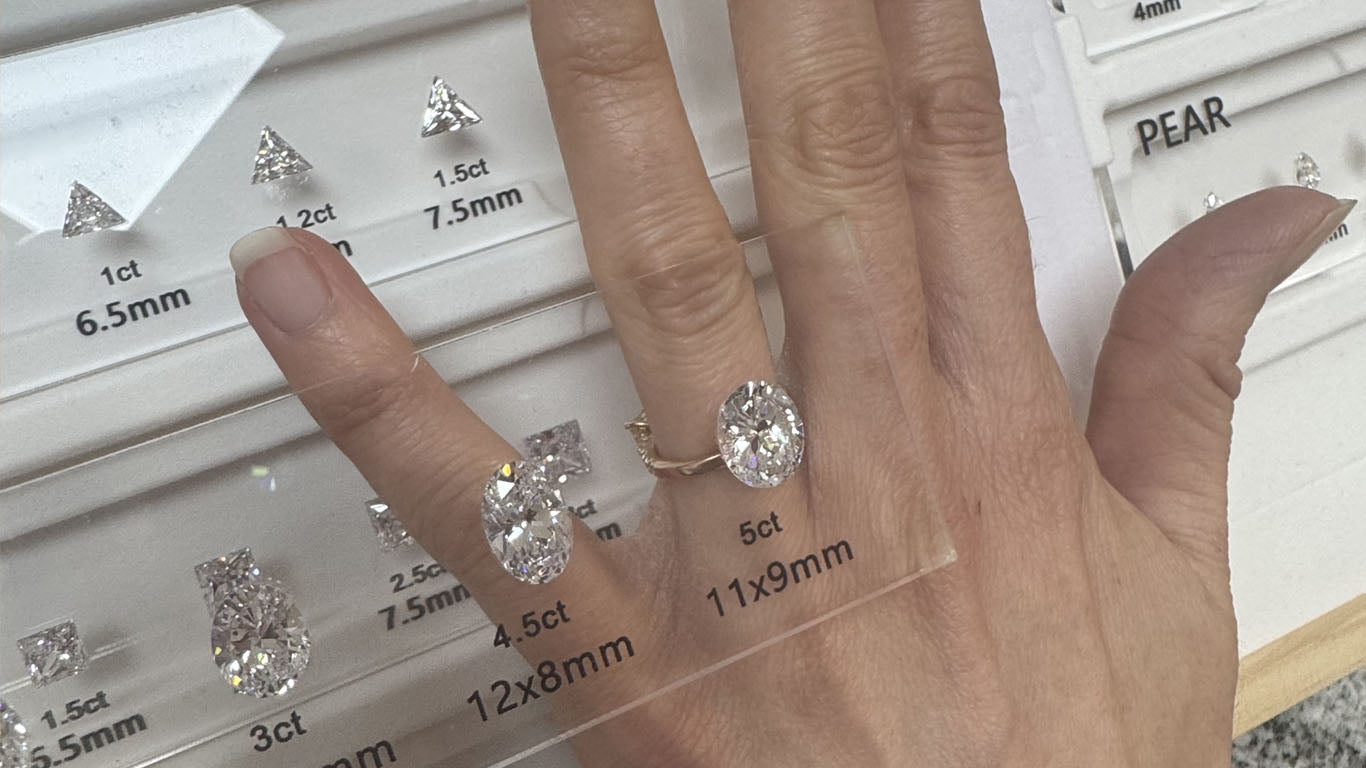
- Select a larger diamond within the same budget
- Increase overall visual impact
- Allocate more budget toward design and craftsmanship
3. Rarity
Natural diamonds are finite and formed through geological processes that cannot be replicated naturally.
Laboratory-grown diamonds can be produced, meaning supply is not limited in the same way.
For some clients, rarity is important. For others, achieving the best visual outcome within budget is the priority.
4. Long-Term Value Considerations
Natural diamonds have a long-established market and are traditionally associated with stronger value retention.
Laboratory-grown diamonds are a more recent development, and their long-term market behaviour is still evolving.
Understanding this distinction is important when making a considered decision.
5. Environmental and Ethical Considerations
Both natural and laboratory-grown diamonds involve environmental and energy considerations.
- Laboratory-grown diamonds require significant energy to produce
- Natural diamonds are increasingly sourced through regulated and responsible supply chains
At Fishers Jewellers, we work with trusted suppliers to ensure responsible sourcing across both categories.
Do They Look Different?
In practical terms, no.
When comparing a laboratory-grown diamond and a natural diamond of equivalent quality:
- There is no visible difference to the unaided eye
- Both display brilliance, fire, and sparkle
- Both perform the same when worn in an engagement ring
What determines appearance is not origin — but quality.
👉 Cut quality is the single most important factor influencing how a diamond looks.

Why Cut Quality Matters Most
Cut governs how light enters and reflects within a diamond.
A well-cut diamond will:
- Appear brighter
- Display more sparkle
- Look more visually impressive
A poorly cut diamond — regardless of size or clarity — will appear dull.
This is why at Fishers Jewellers we focus heavily on cut quality when sourcing diamonds for our clients.

Which Option Should You Choose?
There is no universally correct choice.
The decision comes down to what matters most to you.
You May Prefer a Laboratory-Grown Diamond If:
- You want to maximise size within your budget
- You prioritise visual impact
- You prefer a more budget-efficient option
- Origin is less important than overall appearance
You May Prefer a Natural Diamond If:
- You value geological origin and rarity
- You appreciate the history behind the stone
- You are considering long-term value perception
- You prefer a traditionally sourced diamond

A Practical Approach Many Clients Take
Many clients today take a balanced approach based on their priorities.
Examples include:
- Selecting a laboratory-grown diamond to achieve a larger size
- Prioritising cut quality over carat weight
- Investing more into the ring design and craftsmanship
- Choosing natural diamonds for their origin and rarity
Each approach is valid when it is informed.
Why Expert Guidance Matters
This is where professional advice becomes important.
Online information can be overwhelming, and not all sources are neutral.
At Fishers Jewellers, we focus on:
- Explaining both options clearly
- Presenting diamonds side-by-side
- Guiding you through the 4Cs in a practical way
- Helping you avoid unnecessary overspend
Our role is to help you understand where your investment will have the greatest impact.

The Fishers Jewellers Approach
Fishers Jewellers has been serving Northland since 1924.
We specialise in:
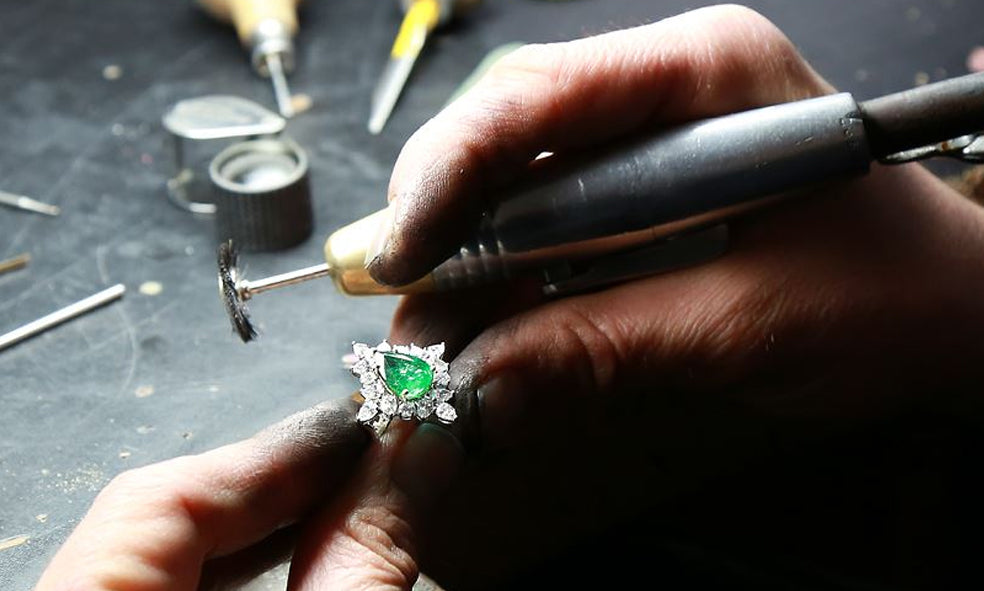
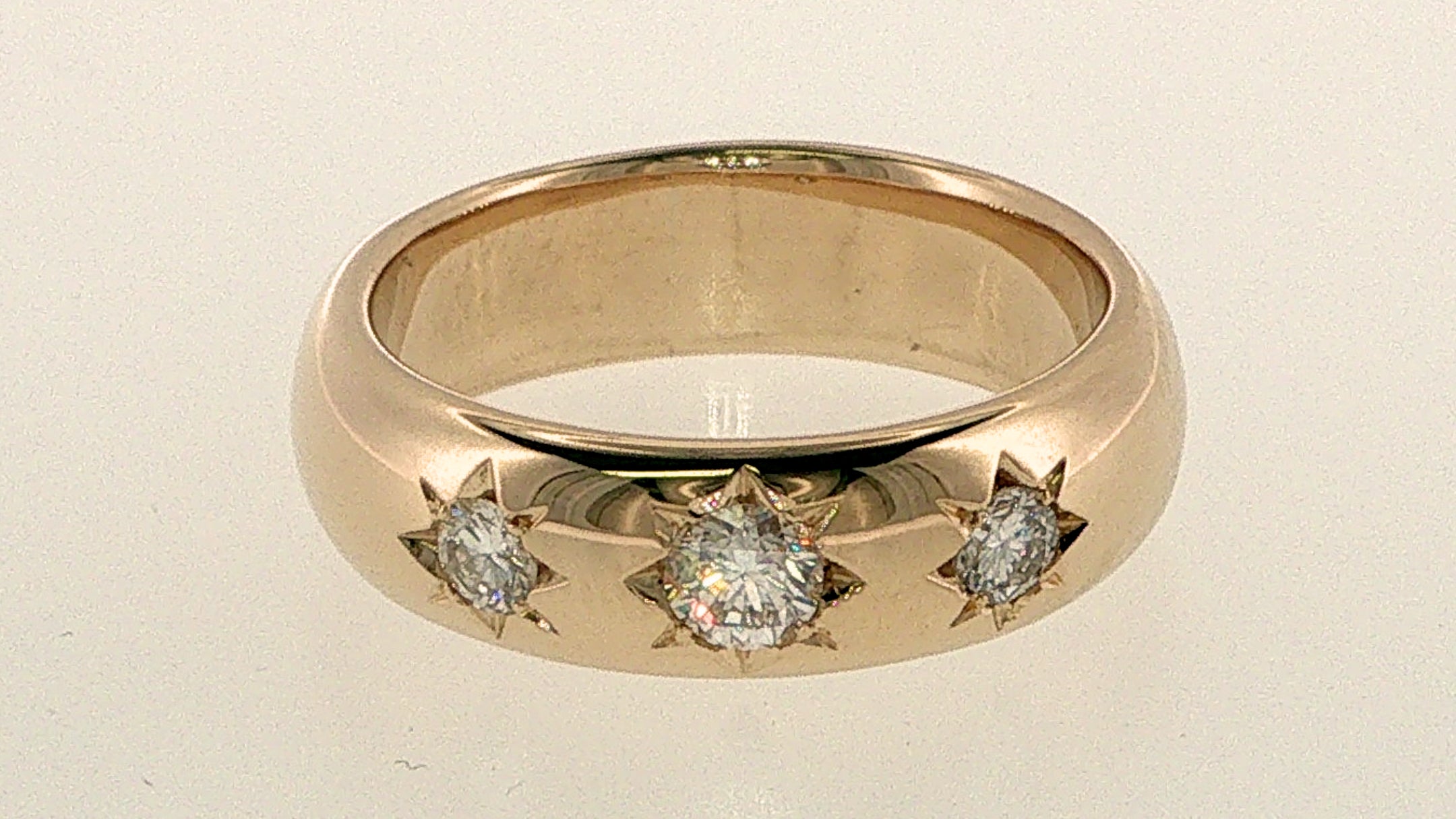
- Custom engagement rings
- Natural and laboratory-grown diamonds
- Personal consultation
- CAD design
- In-house jewellery manufacturing
- Ongoing care and servicing
Every ring is tailored to the individual — not selected from a generic template.

Final Thoughts
Choosing between a laboratory-grown diamond and a natural diamond is not about which is “better”.
It is about understanding:
- The differences in origin
- How pricing varies
- What matters most to you
- How to achieve the best possible result within your budget
Both options can create a beautiful and meaningful engagement ring.
The most important factor is making a well-informed decision.
Ready to Explore Your Options?
If you’re considering an engagement ring and would like clear, professional guidance, we invite you to book a consultation.
We’ll walk you through both laboratory-grown and natural diamonds, explain everything simply, and help you design a ring that is right for you.